
上海书画出版社 金石学稿钞本数据库
中國古籍流傳至今,據《中國古籍總目》著錄約有二十萬種,其複本總量則在三千萬冊以上,堪稱舉世無儔目前正深入普查並開展再生性保護。所謂再生性保護,即在登錄編目及修復基礎上選擇要籍,整理影印,化身千百以廣其傳。 現存古籍大致可分為已經刊刻、未經刊刻兩大類。未經刊刻之稿本、鈔本,及已刊而又經歷代學人、藏家批校叢書,或反映各館收藏特色的專題叢書,已採用部分稿鈔本,而專門以未經刊刻之古籍稿鈔校本為調查範圍從事專科文獻整理影印者,尚未多見 ...

Input single Chinese character for etymology.
输入单个汉字, 查询10万+古汉字和字源.
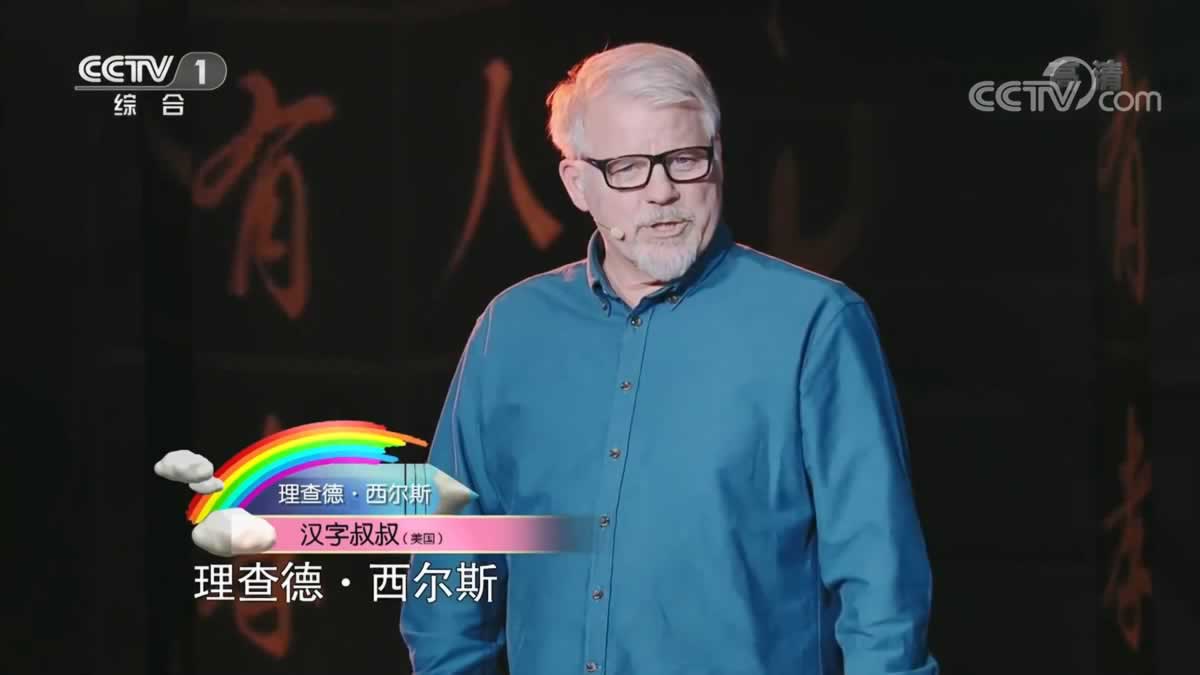
When I was a young man of 22 I decided I wanted to learn Chinese. I worked hard for a year and bought a one-way ticket to Taiwan in 1972 with the idea that I would become fluent and literate in Chinese. I was not a particularly good student in the early days and found myself at the age of 40 and not able to read Chinese.
I was still faced with the prospect of learning to write about 5,000 characters and 60,000 character combinations. The characters were complex with many strokes and almost no apparent logic.
I found on the rare occasions when I could get a step by step evolution of the character from its original pictographic form, with an explanation of its original meaning and an interpretation of its original pictographs, suddenly it would become apparent how all the strokes had come to be.
The problem is that there is no book in English that adequately explains the etymology of all the characters, and even if you read Chinese there is no single book in Chinese that explains it all adequately. I also found that most explanations, even in Chinese are incorrect or doubtful. In short, it was a research project to understand each character. To have this information at my fingertips in English would have been a great help.
I found that almost all Chinese had learned to read and write by absolute blind memorization and almost no one had a clue where the characters actually came from.
At age 40, I got the idea that I needed to computerize the origins of Chinese characters so that I could sort out the crap from the truth. I started researching but did not get started actually doing it. At age 44 I had a near-fatal heart attack and after recovering, but not knowing when I might die, I decided I must get started.
During the past 25 years, I have accumulated a great deal of information, more than 96,000 ancient Chinese character forms from archeological sources which are now encapsulated in this website.
The goal is to explain the original forms and the original logic of each Chinese character.
My first website went online in 2002.
My website did not get much attention for the next few years. Until one day in 2011, when it suddenly got a lot of attention. I got a few thousand emails and a few million visitors and people started calling me 汉字叔叔 or Uncle Hanzi.
I decided to move to China, but things did not go entirely smoothly. I got kicked out of China about a year later because of a visa problem, but a story by my friend Dixin Yan saved my ass and got me a job at Beijing Normal University.
I kept getting more attention over the years
I have now spent the last 25 years working on this website and the results are provided with no advertisements. So please donate so I can continue to develop the site.